Grand Tuhon Leo T. Gaje Jr.
Guardian of Pekiti-Tirsia Kali — the blade-era system that shaped modern PTK-SMF.
The Pekiti-Tirsia Kali system is one of the few remaining authentic and complete Filipino combat systems in existence today. Pekiti-Tirsia is a system and technology of combat fighting with the Blade. It encompasses all traditional weapon categories and is formulated on the strategic principle of the Triangle. The triangle serves as the basis for footwork, striking, and the tactical principles of close-quarters combat.
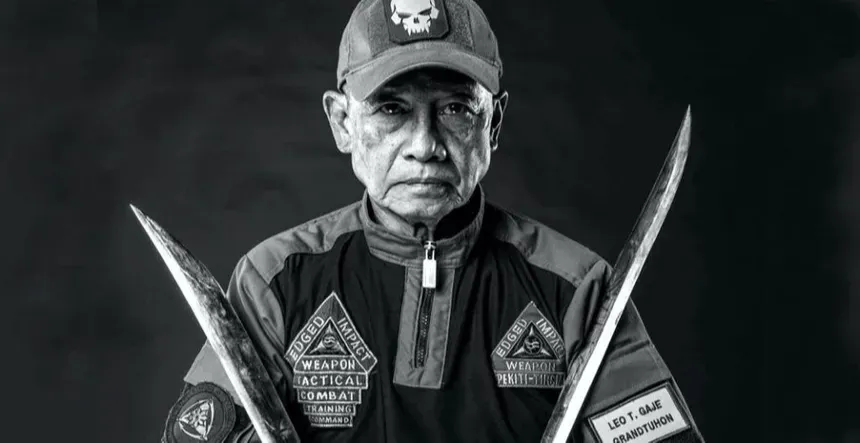
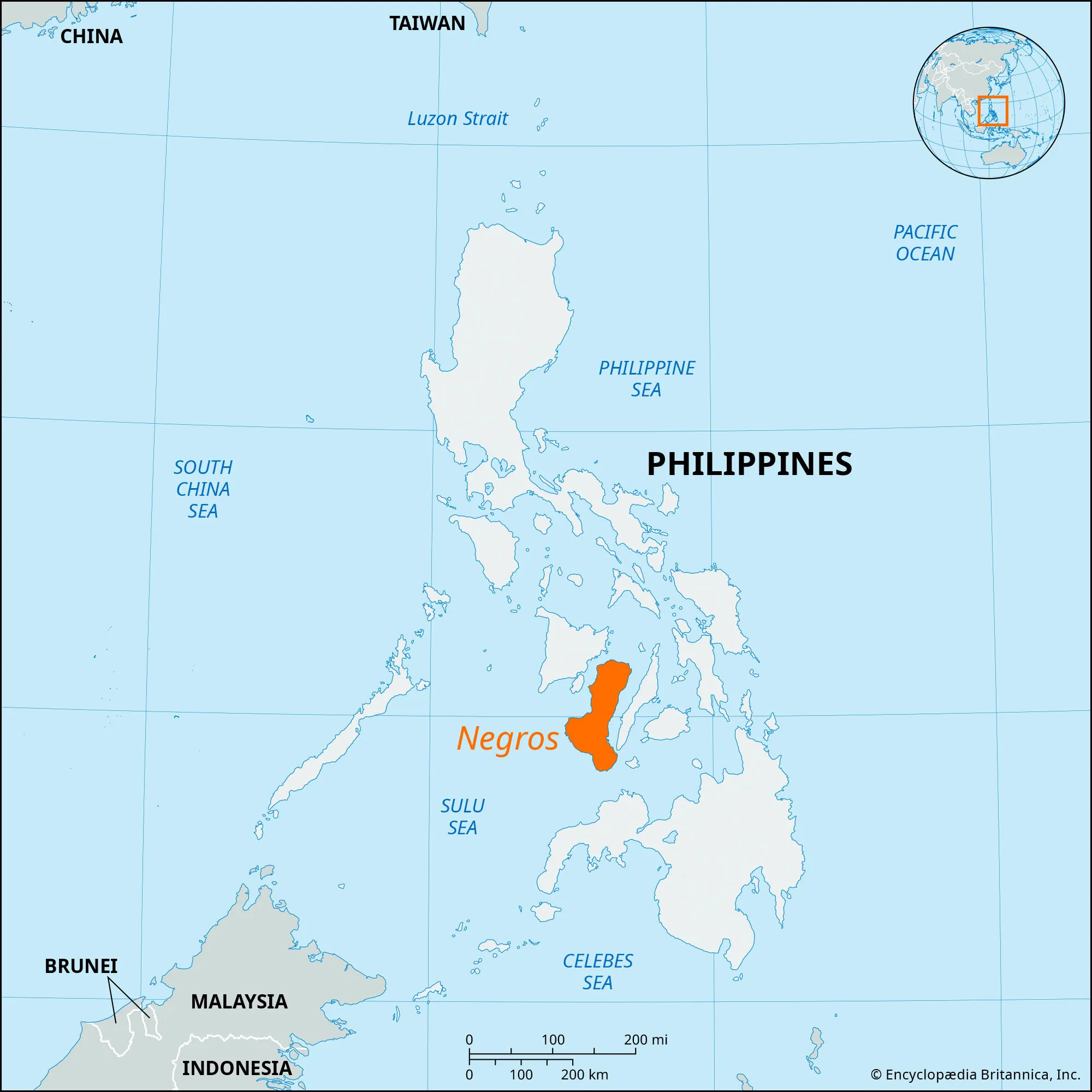
The Pekiti-Tirsia system of Kali originates from the provinces of Panay and Negros Occidental in the Philippines and was formulated and perfected by the Tortal family. After the passing of the family patriarch and Grandmaster of Pekiti-Tirsia, Grand Tuhon Conrado B. Tortal, the system was passed onto his only grandson, the sole heir, and present guardian of its attributes, Grand Tuhon Leo Tortal Gaje, Jr.
Pekiti-Tirsia is a traditional family system of Filipino martial art that traces its origins back to when the carry and use of bladed weapons was common and required among most men. Oral history of the Tortal family testifies to four generations practicing the family system of Pekiti-Tirsia. Norberto Tortal taught the system to his son, Segundino Tortal. Segundino taught his five sons: Balbino, Tedoricio, Francisco, Quirino, and Conrado. Of Segundino’s five sons, Conrado was chosen as the successor of the system with Balbino as one of his principal training partners. In 1945, Balbino was fatally shot by Japanese soldiers in the area of Barangay Conception, Talisay, Negros Occidental after disarming a Japanese office of his samurai sword and killing two soldiers who attempted to bayonet him..
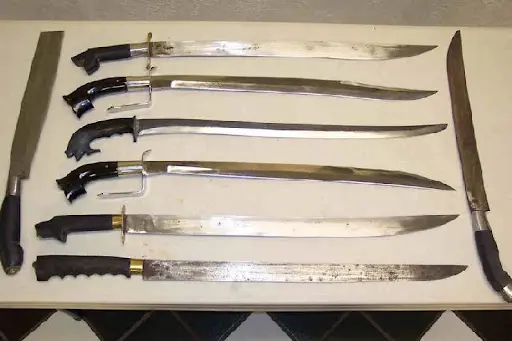

These generations of Tortal family leaders utilized the laboratory methods of research and testing of combat Blade fighting tactics and techniques. the system of Pekiti-Tirsia was continually trained, executed, and validated through sparring duels with other recognized family and system leaders, friendly instructional exchanges, and direct combat resulting in the death of the enemy.
Grand Tuhon Conrado B. Tortal, or “Tay Dadoy” as he was popularly known, was a highly respected man in the western Visayas and northern Mindanao regions of the Philippine Islands. Born in 1897 in Tigbawan, province of Iloilo, Panay, the Tortals later emigrated to Negros Occidental where they owned and cultivated several agricultural properties. As was common for the time, Tay Dadoy was fluent in English, Spanish, and his native dialect Illongo, as well as Cebuano and other regional dialects of northern Mindanao where he travelled for commerce and as a Christian Missionary. Grand Tuhon Tortal later served as the first Chief of Police of Victorias, home of the largest Sugar Central (Mill) in Negros Occidental, with a reputation as a strict disciplinarian yet compassionate mediator. Tay Dadoy’s expertise in the Filipino Fighting Arts was well-known and recognized through several encounters such as his public defeat of two of the Lizares brothers, a prominent political ruling family from Talisay, Negros Occidental, in 1928. After attempting to take control of a Tortal property, Conrado equipped with hardwood Espada y Daga engaged both the Lizares brothers armed with Bolo’s and disarmed them by direct strikes to the hand and body- yet spared their lives. In 1933, Conrado Tortal defeated Tansiong Padilla, authority for the Aldobon style from Panay, in a highly publicized duel arranged by the mayor of Bago, Negros Occidental.

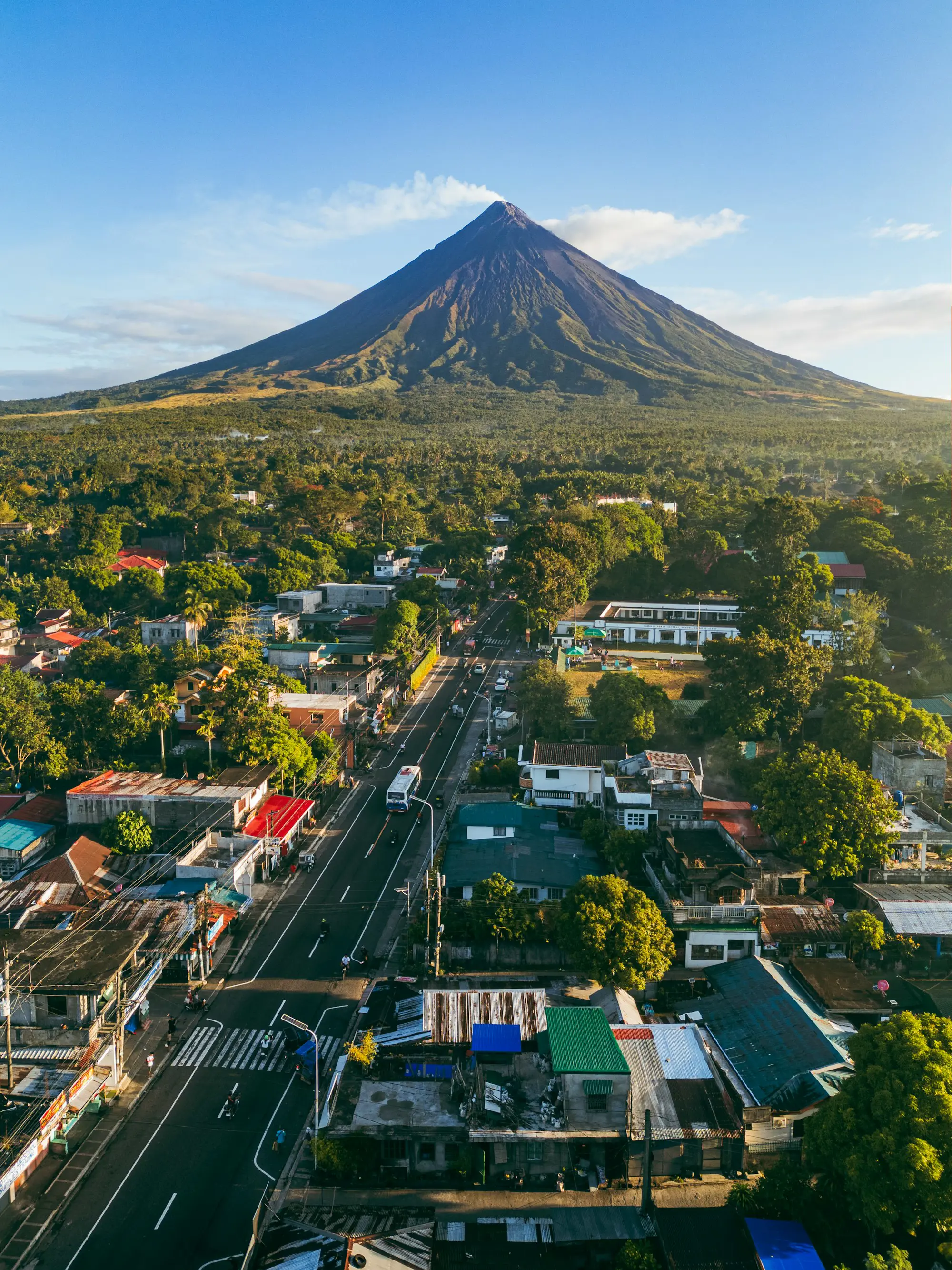
In 1938 in Legaspi, Albay, Grand Tuhon Leo Tortal Gaje was born to Feliza G. Tortal (the daughter and only child of Conrado Tortal) and Leopoldo P. Gaje, Sr. Shortly after his birth and the subsequent death of his twin sister and his mother, Feliza, Leo was taken in and raised by his grandfather Conrado. From the age of six years old, Leo was trained in the system of Pekiti-Tirsia. Between the ages of six to nine, he was trained exclusively in footwork. Daily he was placed on top of a wooden table with Conrado striking at his feet as he mastered the strategic manoeuvring patterns that remain one of the signatures of the Pekiti-Tirsia system. Leo was then trained in the Doce Methodos, Contradas, and other advanced combat methods twice a day beginning in the mornings before school and continuing late into the evening throughout his secondary, high school, and college studies.
At the passing of Tay Dadoy, Leo Tortal Gaje, Jr. inherited the treasure and legacy of Pekiti-Tirsia. At this time, family combat systems in the Philippines were reserved for only those that shared genetic history and were chosen for their discipline to keep and protect the family secrets. For the next decade, Tuhon Gaje kept this promise, and soon started a business where he served as President of the Confederation of Free Trade Workers Union and Executive Vice-President of the Bataan Free Trade Zone Industrial Development Corporation. Here he trained his own Security Forces for the escort of cash funds, trained bodyguards and protective teams for local and provincial politicians, and, in his own words, “my wrecking crew” of confidants that provided his personal security.


In 1972, Tuhon Gaje immigrated to the United States of America and settled in New York City. Upon seeing the popularity of martial arts sweeping America at the time, he envisioned the success of Filipino martial arts and recognition of the cultural and martial achievements of the Filipino people through the superiority of its combat systems. In keeping with the philosophy of the Pekiti-Tirsia system and its belief in Life, Health, and Success, Tuhon Gaje opened the door of knowledge to a select few of advanced black belt students and embarked to offer to the world, those that persevere, the mastery process of Kali.
Continuing now into the fourth decade, Grand Tuhon Leo T. Gaje has been the leader in promoting and teaching authentic Filipino Fighting Art around the globe- not solely in the martial arts field but throughout the military and law enforcement professions as well. During this time, he has joined together with other Filipino Grandmasters in this endeavor and to this day works with the highest levels of the Philippine government in the promotion, recognition, and preservation of the cultural legacy of Filipino Martial Arts.
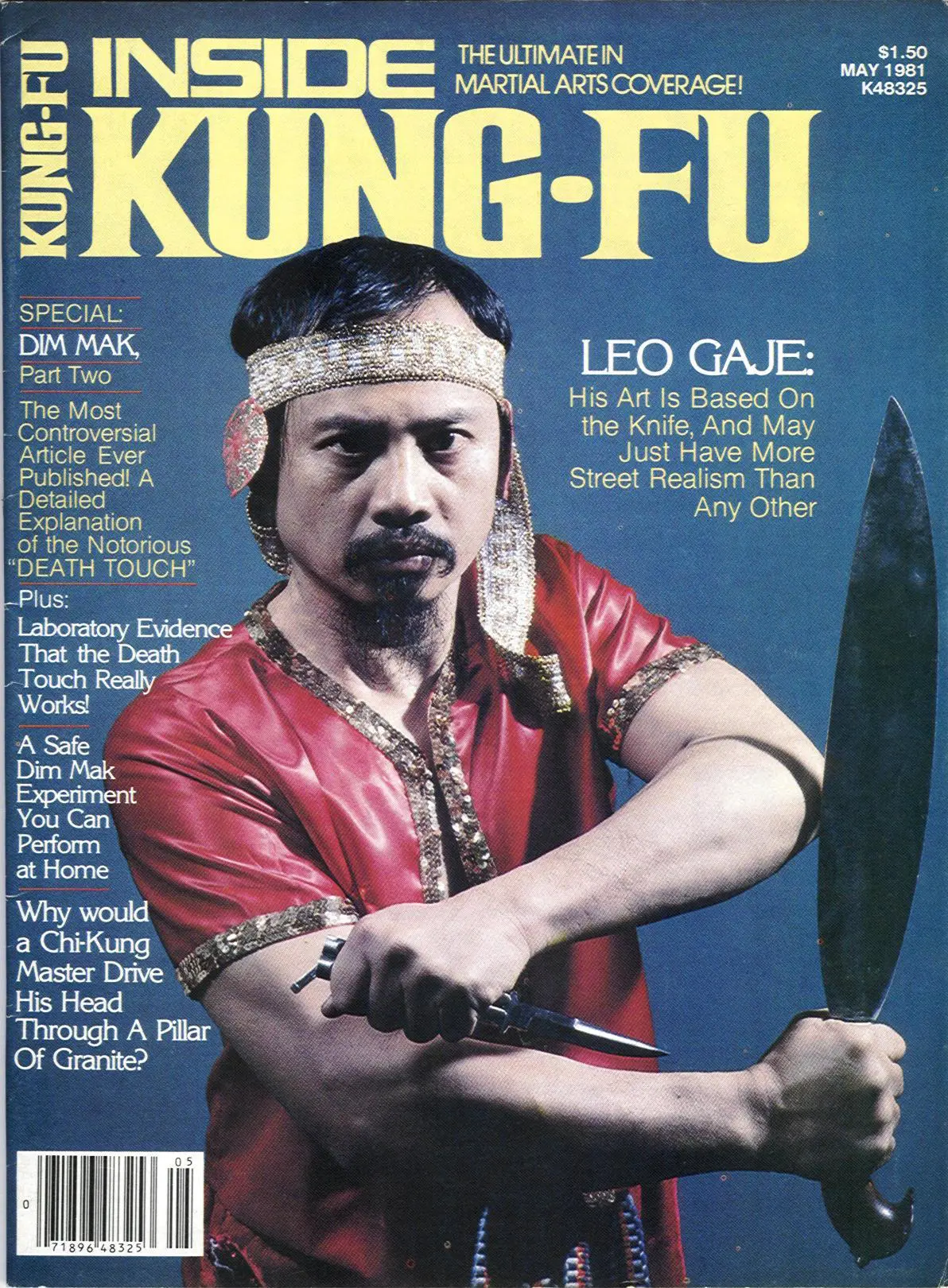
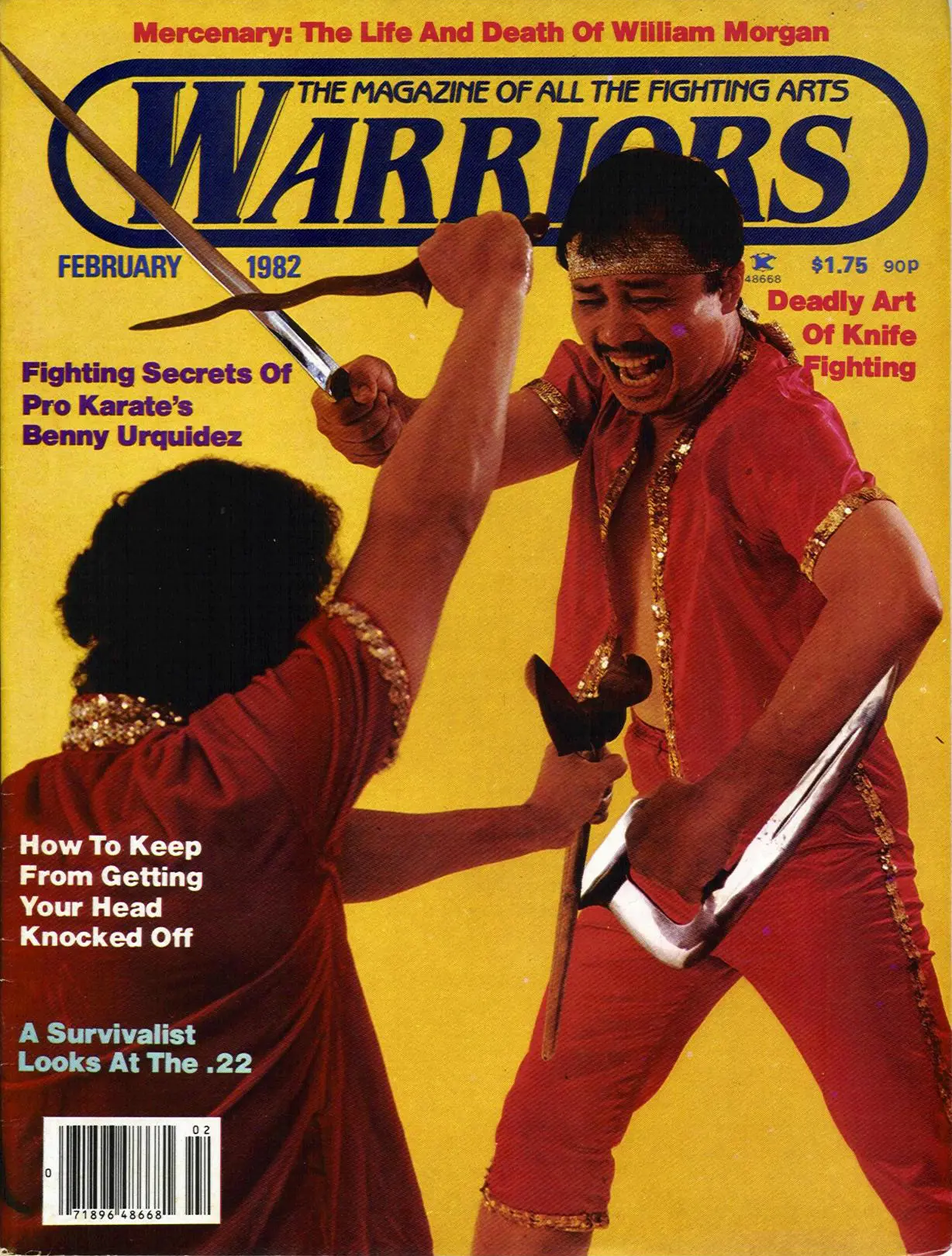
Grand Tuhon Gaje was the leading Filipino Martial Arts authority in the 1970s in the eastern region of the United States; at the same time, Guro Dan Inosanto and other Filipino Grandmasters were doing the same in the western region (New York and California being home of the largest Filipino communities in the US). Since the introduction of Filipino Martial Arts to the US and across the globe, Pekiti-Tirsia has hallmarked many “firsts” in its history. Grand Tuhon Gaje was the first to organize and conduct large-scale promotions and demonstrations of Filipino martial arts in the eastern US in such venues as New York’s Lincoln Center and displayed the first-ever public demonstration of full-contact Filipino stick fighting at the Great Gorge, New Jersey Playboy Club. Grand Tuhon Gaje was the first to open a Filipino Martial Arts school at the Philippine Consulate in New York City and first to promote Filipino martial arts among other martial discipline national organizations. Grand Tuhon Gaje joined with other recognized leaders such as Alex Sternberg of the Jewish Karate Federation and Grandmaster Robert Trias of the United States Karate Association in conducting training programs for senior black belt students and joint public demonstrations. Grand Tuhon Gaje was recognized as style head of the Filipino martial arts for the United States Karate Association (USKA) by Grandmaster Trias and was inducted into the Indonesian Pendekar Banting, the association of Indonesian Silat Pendekars.
In 1979 Grand Tuhon Gaje was one of the principal organizers of the First National Arnis (Kali) Tournament in the Philippines sponsored by NARAPHIL (National Arnis Association of the Philippines). Tom Bisio, a student of Grand Tuhon Gaje for over three years, won as Grand Champion of the Instructor’s division against a field of senior instructor competitors. In 1980, Grand Tuhon Gaje was appointed NARAPHIL’s Commissioner for North and South Americas and promoted the Filipino Martial Arts extensively throughout these continents. Throughout the 80s, the first generation of Pekiti-Tirsia students and instructors dominated the full-contact stick fighting tournament scene across the US defining their reputation with speed, power, and footwork.
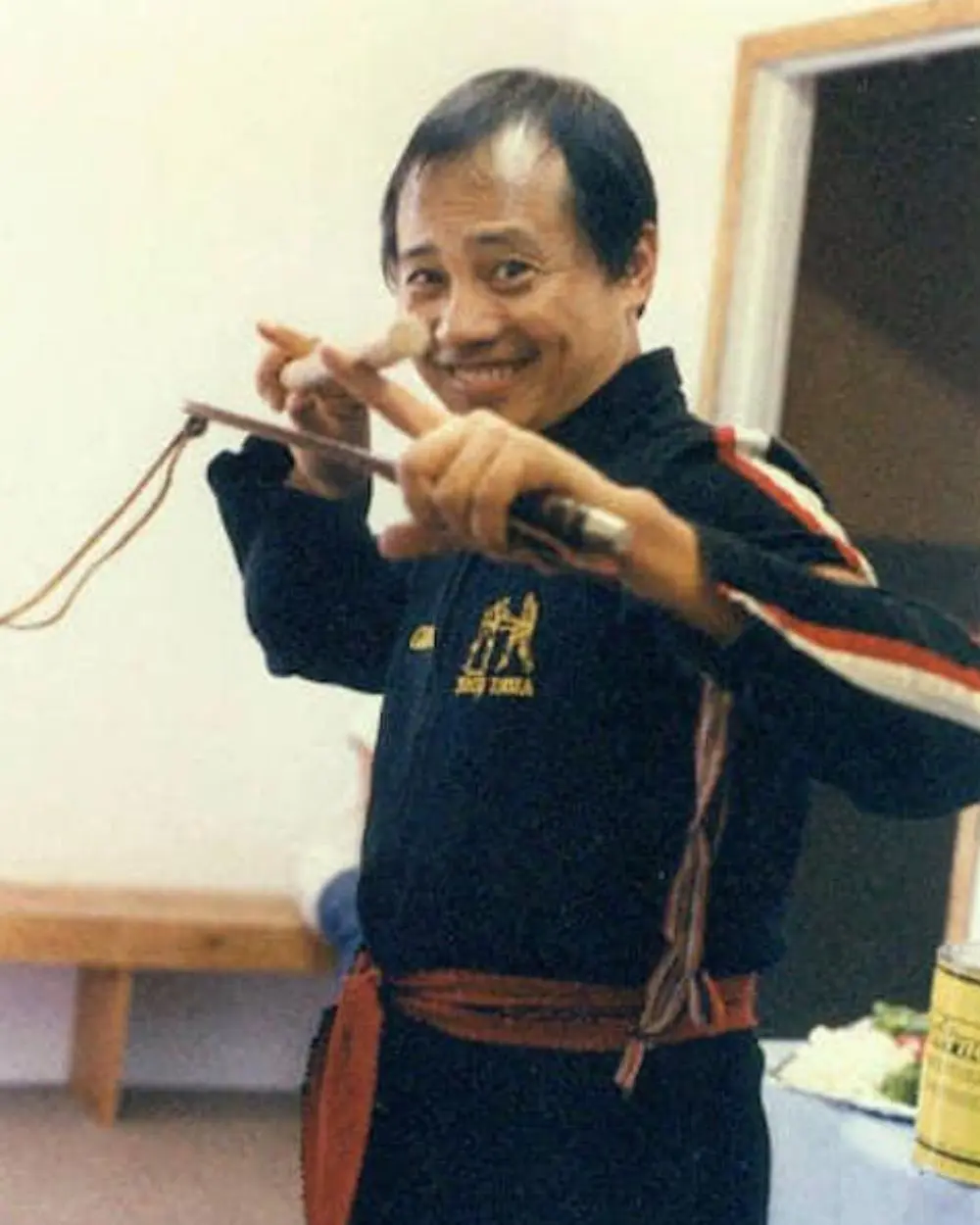

Grand Tuhon Gaje was the first to introduce Filipino martial arts to the New York Police Department (NYPD) and conduct department-endorsed training programs. This program led to Grand Tuhon Gaje’s development of the Safety Baton and Edged Weapon Awareness/Strategic Knife Defense programs – the FIRST Defensive Tactics system based on safety and liability reduction at a time when the accepted methods targeted the vital areas of the body resulting in substantial liability to police officers and departments. Grand Tuhon Gaje was later appointed National Training Director for the Justice System Training Association and the U.S. Police Defensive Tactics Association leading to his position as Technical Advisor and appearance in the Calibre Press video SURVIVING EDGED WEAPONS, in 1988. This highly acclaimed video substantiated the threat of edged weapons to the law enforcement community and established Grand Tuhon Gaje as the leading authority on edged weapons defensive tactics.
Throughout this history, Grand Tuhon Gaje has trained and influenced thousands of martial artists, several who have gone on to formulate their own styles such as the late Edgar Sulite of Lameco Eskrima, Chris Sayoc of Sayoc Kali, and others. The Supreme Grandmaster of Pekiti-Tirsia Kali remains the world’s leading authority on the Filipino Martial Arts and his name is synonymous with the Blade, the Blademaster Grand Tuhon Leo T. Gaje, Jr.
Why this matters today:
The techniques, testing, and practical lineage described above are the foundation for PTK-SMF training offered here — the same timing, footwork, and decision principles are taught in group and private instruction.
Institutional Adoption & Honors
First to introduce Filipino martial arts to NYPD; developed Safety Baton & Edged Weapon Awareness programs.
Appointed NARAPHIL Commissioner for North & South Americas (1980).
Recipient of an Exemplary Achievement Award from the Office of the President (Gloria Macapagal-Arroyo).
PTK adopted as official CQB doctrine by Philippine Marine Corps Force Recon.
Lineage, Method, and Real-World Validation
PTK is built on lab-tested combative experimentation (sparring duels, field testing).
PTK practices were integrated into Philippine military doctrine and law-enforcement programs — a rare institutional validation for a traditional system.
The system described here is transmitted through formal instruction and structured training.